
There is something special about a freshly prepared cup of chai. The aroma of black tea, warm milk, fresh ginger, and fragrant cardamom can turn an ordinary morning into a comforting moment. Whether you enjoy chai with breakfast, during a work break, or while talking with family, making it at home is simple once you understand the basics. If you want to learn how to make chai tea, you do not need expensive equipment or a complicated list of ingredients. With black tea, water, milk, sugar, and a few everyday spices, you can prepare a delicious homemade chai in about 10–15 minutes.
In this guide, you will discover the ingredients, step-by-step preparation method, ideal measurements, useful brewing tips, and easy variations to help you make chai just the way you like it.
What is chai tea?
Chai is unique Hindi word for tea. When to say chai tea, its mean Indian-style milk tea. Spiced chai is commonly known as masala chai, with masala referring to a mixture of spices. Traditional Indian chai can vary from one household to another. Some people prefer a strong chai with milk cup and plenty of ginger, while others enjoy the gentle fragrance of cardamom or a balanced mixture of spices. Chai combines black tea, water, milk, and a sweetener. Depending on the recipe, it may also contain ginger, cardamom, cinnamon, cloves, or black pepper. The best part about homemade chai is that you can adjust the ingredients to suit your taste. You can make it stronger, creamier, less sweet, or more aromatic without relying on a ready-made drink mix.
After added ingredients are in boiled water to long time until that is start spread fregness moved around.
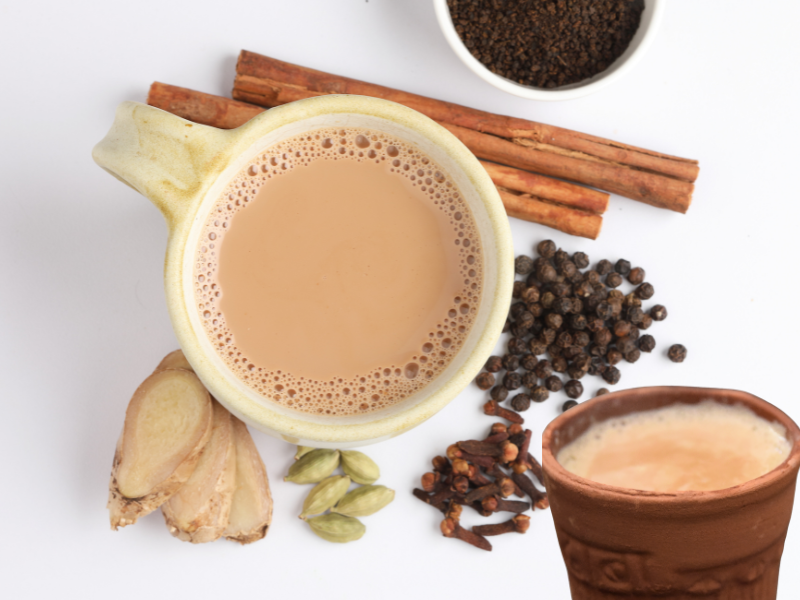
As per ingredients
- 2 teaspoons strong black tea leaves, preferably assam or ctc tea
- 1 cup water (240 ml)
- 1 cup milk (240 ml)
- 2–3 green cardamom, lightly crushed
- ½–1-inch fresh ginger, crushed or thinly sliced
- 1–2 teaspoons sugar, or to taste
- 1 small piece of cinnamon or 1 clove, optional
You can skip the optional spices if you prefer a simple ginger-cardamom chai.
How will decide that which tea is best for chai?
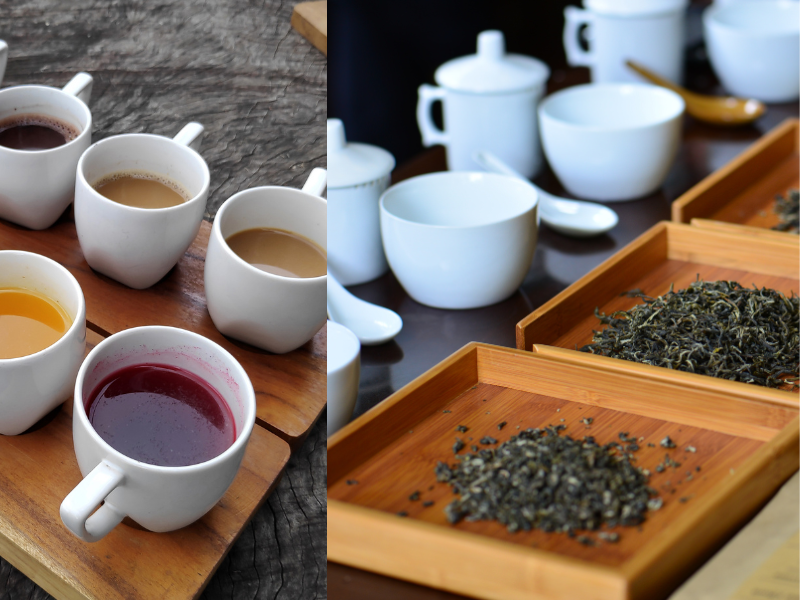
A strong black tea has strong; its flavor holds up well when combined with milk and spices. Assam tea is suitable for a bold, ctc tea is also popular for everyday indian chai because it brews quickly and produces a strong color. If you already have a favorite black tea at home, you can start with that. Adjust the quantity and brewing time according to its strength.
Why use fresh ginger and cardamom?
Fresh ginger adds to puerty and some test, while cardamom contributes a sweet, floral aroma. Together, they create a familiar and inviting flavor that works beautifully with black tea.Lightly crushing the cardamom pods before brewing helps release their aroma. Crushing ginger also exposes more of its surface, allowing its flavor to infuse into the water.
how to make chai will tea step by step
please follow these five steps which is required a flavorful cup of indian chai at home.
Step 1: the ginger and spices
Proper start ginger crush it lightly with a knife or mortar and pestle. Open the cardamom pods by pressing them gently so their seeds can release their fragrance. if you are using cinnamon or cloves, keep the quantity small at first. These spices can become quite strong when simmered. Preparing the spices before heating the water makes the cooking process easier and helps you avoid overcooking the tea while searching for ingredients.
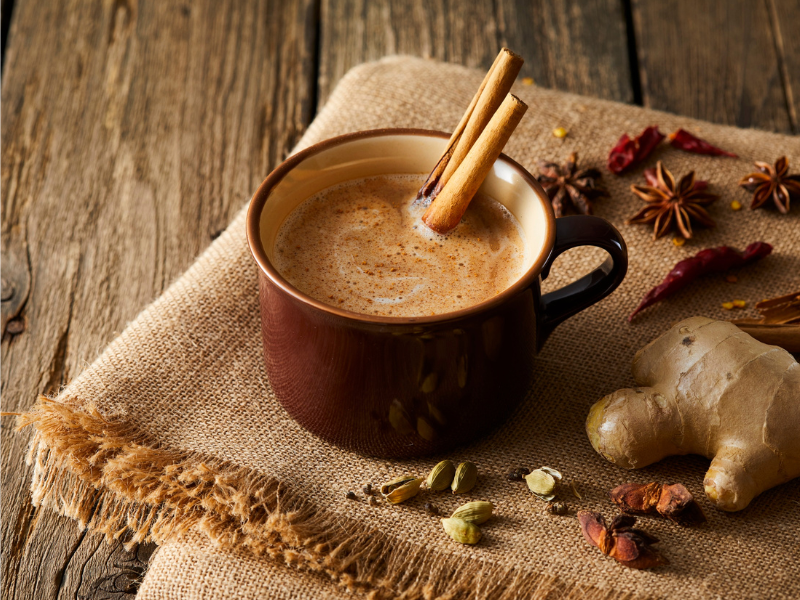
Step 2: boil the water with ginger and cardamom
Please take one cup of water into a small saucepan. Add the crushed ginger and cardamom, then bring the mixture to a boil over medium heat. Let the spices simmer for approximately 3–5 minutes. You should begin to notice a fresh ginger aroma and a warm cardamom fragrance. if you prefer stronger ginger chai, allow the ginger to simmer a little longer. For a lighter flavor, use less ginger or reduce the simmering time.
Step 3: The black tea
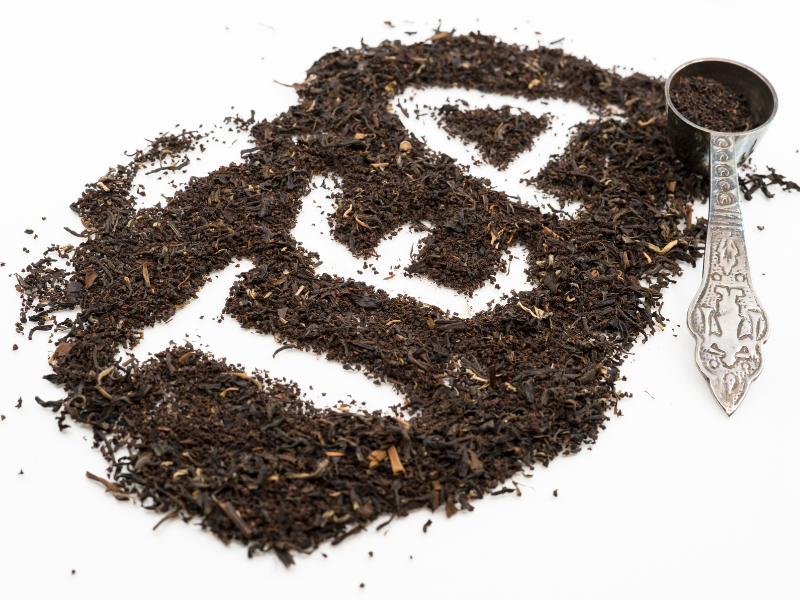
Let two teaspoons of black tea leaves to the spiced water. Allow the mixture approximately 1–2 minutes, watching the colour develop. For stronger chai, you can use a little more tea or extend the brewing time slightly. However, avoid prolonged boiling because it can make the drink taste harsh or overly bitter. The goal is to create a concentrated tea base that will still taste rich after adding milk.
Step 4: also, milk and sugar
Pour in one cup of milk and gently. Add sugar according to your chose. Bring the mixture back to a gentle simmer. Keep an eye on the saucepan because milk can rise quickly and spill over when it reaches a boil. Whole milk creates a creamy texture, while toned or lower-fat milk produces a lighter cup. You can also experiment with an unsweetened plant-based milk if you prefer a dairy-free version.
Step 5: simmer, strain, and serve
Allow the chai to simmer gently for another 2–4 minutes, stirring occasionally. Adjust the heat if the milk begins to rise too quickly. Once the color and flavor look right, turn off the heat. Pour the chai through a fine-mesh strainer into cups to remove the tea leaves, ginger pieces, and cardamom pods. Serve it hot and enjoy it with biscuits, toast, or your favorite breakfast snack. Your homemade chai tea is ready! You can repeat this method daily and gradually adjust the ginger, cardamom, milk, and sugar until you find your ideal combination.
What be the perfect chai tea ratio?
The right ratio depends on whether you prefer a strong, creamy tea or a lighter drink. A useful starting point for two small servings is:
ingredient: starting quantity
- water :1 cup
- milk: 1 cup
- black tea 2 teaspoons
- ginger ½–1 inch
- cardamom 2–3 pods
- sugar 1–2 teaspoons
For stronger chai, increase the tea slightly. For creamier chai, add a little more milk. If you enjoy a lighter drink, increase the water or reduce the milk. Remember that cup sizes differ, and some liquid evaporates during simmering. Taste the chai before serving and adjust it to your preference rather than following the measurements rigidly.
This tips for making rich and aromatic chai
Realy a few small changes can make a noticeable difference to your homemade chai. Use fresh spices. Cardamom and ginger provide much of chai’s distinctive fragrance. Fresh ingredients generally offer a brighter aroma than spices that have been stored for a long time. Choose a strong tea base. Black tea that brews well with milk gives the finished drink a fuller flavor. Delicate teas may become less noticeable when combined with several spices. Control the heat. Keep an eye on the saucepan after adding milk. A gentle simmer provides control and helps prevent the milk from spilling over or catching on the bottom. Adjust sweetness gradually. Start with a small amount of sugar and add more if needed. You can also try jaggery for a deeper, caramel-like sweetness. Avoid adding too many spices. More spices do not always mean better chai. Too much clove or cinnamon can overpower the black tea and cardamom. Strain before serving. Removing the tea leaves and spice pieces creates a smoother drink and makes it more enjoyable to sip.
Let’s popular chai tea variations to try
Once you know how to make basic chai tea, you can experiment with different flavors.
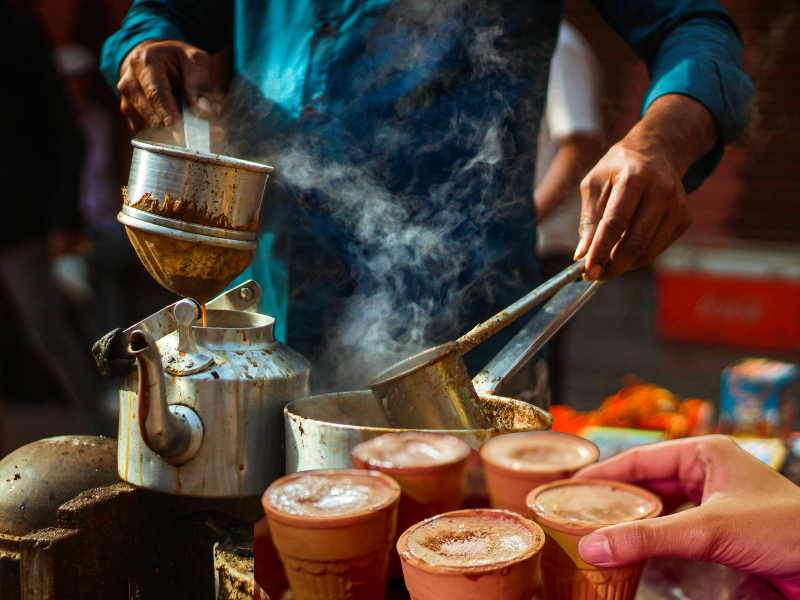
1. Ginger chai
Ginger chai is a popular option for people who enjoy a lively, warming flavor. Add a little extra crushed ginger during the first simmer and follow the rest of the recipe as usual.
2. Cardamom chai
For a fragrant and slightly sweet-smelling cup, make cardamom the main spice. Use three or four lightly crushed pods for two small servings, adjusting the amount according to their strength.This variation is particularly suitable if you enjoy the natural aroma of green cardamom without a heavy mixture of spices.
3. Masala chai
To prepare masala chai, combine ginger and cardamom with small amounts of cinnamon, cloves, and black pepper. Simmer the spices in water before adding the tea and milk.Begin with modest quantities, since each spice contributes a different level of intensity. The aim is to create a balanced flavor rather than allowing one ingredient to dominate.
4. Dairy-free chai
You can make chai without dairy milk. Oat milk offers a relatively creamy texture, while almond milk provides a different, slightly nutty flavor. Heat the plant-based milk gently and follow the product’s instructions, as some varieties may separate when exposed to prolonged high heat or acidic ingredients.
5. Iced chai
If you prefer a cold drink, prepare a stronger tea-and-spice infusion, strain it, and let it cool. Pour it over ice and add cold milk or your preferred milk alternative.Avoid pouring hot tea directly into a glass filled with ice if the result will become too diluted. Brewing a concentrated base helps preserve the flavor.
Common chai-making mistakes to avoid
Even a simple recipe can turn out differently depending on the preparation method. Here are some common mistakes and how to correct them.Why does my chai taste bitter? The tea may have been boiled for too long, or you may have used too many tea leaves. Reduce the brewing time and start with a smaller quantity of black tea.
Why does my chai taste watery?
Too much water, too little tea, or insufficient brewing can create a weak cup. Use a strong black tea, check your measurements, and allow enough time for the flavor to develop.
Why does my chai taste too spicy?
Reduce the amount of ginger, cloves, black pepper, or cinnamon. If cardamom is your favorite flavor, use it as the main spice instead of adding large amounts of everything.
Why does my milk boil over?
Milk can rise rapidly once it heats up. Lower the heat as soon as it begins to foam, stir carefully, and avoid leaving the saucepan unattended.
Can i make chai without a special spice blend?
Yes. You can prepare delicious everyday chai with black tea, milk, ginger, and cardamom alone. A ready-made masala blend is optional, not essential.
Frequently asked questions about chai tea
1.How long does it take to make chai tea?
Most homemade chai recipes take around 10–15 minutes, including the time needed to simmer the spices, brew the tea, add milk, and strain the drink.
2. Can i make chai tea with tea bags?
Yes. Use a strong black tea bag instead of loose tea leaves. Brew it in the spiced water according to the instructions on the package, then add milk and simmer gently. Remove the bag before serving if the tea has reached your preferred strength.
3. Is chai tea the same as masala chai?
Not necessarily. Chai simply means tea, while masala chai generally refers to tea prepared with spices. The expression chai tea is commonly used in English for indian-style chai.
4. Can i make chai tea without sugar?
Yes. Simply leave out the sugar or replace it with your preferred sweetener. The ginger, cardamom, and black tea will still provide plenty of flavor.
5. Which milk is best for chai?
Whole milk is a good choice if you enjoy a creamy, rich texture. Lower-fat milk creates a lighter drink, and plant-based alternatives can also work. The best option depends on your taste and dietary preferences.
6. Can i prepare chai in advance?
You can prepare a tea-and-spice concentrate in advance, cool it promptly, and refrigerate it in a clean, covered container. For homemade batches, use within 3–4 days as a conservative food-safety guideline, and follow any shorter applicable guidance. Reheat only the portion you need. Discard it if its appearance or smell is unusual.
7. What is the best time to drink chai?
Many people enjoy chai in the morning or during an afternoon break. Black tea contains caffeine, so people who are sensitive to caffeine may prefer smaller servings or avoid it close to bedtime